EHRI Services
Holocaust research, remembrance, and education are the mission of the European Holocaust Research Infrastructure (EHRI). By connecting institutions and experts, EHRI facilitates the digital transformation of research through innovative tools, promoting transnational access to widely dispersed, globally available Holocaust sources.
Below you will find some of the innovative services created by EHRI at the European level for researchers, archivists and anyone who wishes to make use of them.
Among the EHRI services:

The EHRI portal allows online access to information about Holocaust-related sources, regardless of the degree of dispersion
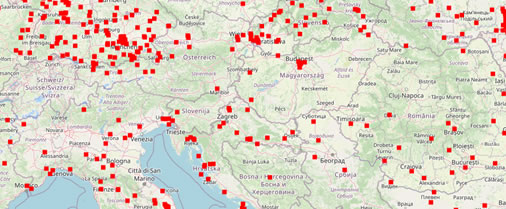
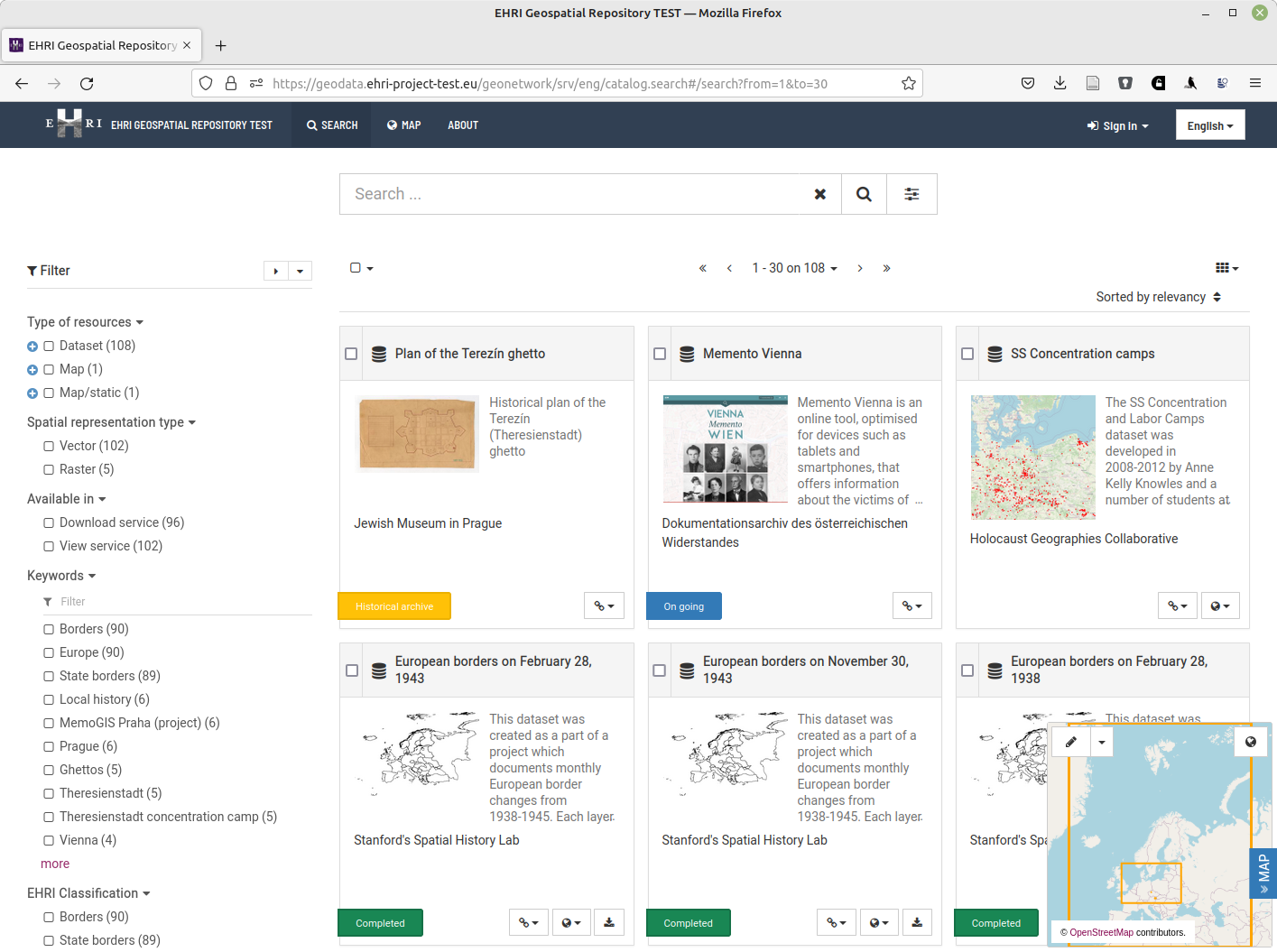
The EHRI geospatial repository contains datasets that enable map creation and the use of spatial approaches in Holocaust research.
EHRI online editions provide access to digitized and annotated archival documents and connect archival holdings through a thematic approach.

The EHRI online course - MOOC (Massive Online Open Course) - critically presents sources and provides methodological guidance as well as practical tools for their use. The course includes interviews with renowned researchers and presents a variety of primary sources - photographs, diaries, bureaucratic documents, letters, and testimonies - essential for Holocaust research.
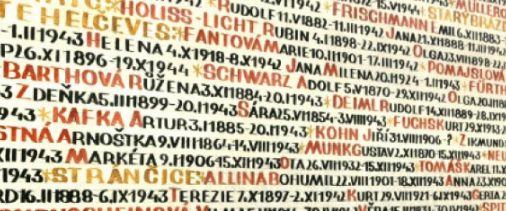
EHRI Document Blog - a platform with articles about archival documents relating to the Holocaust, as well as their presentation and interpretation using digital tools.
EHRI Podcast – interviews with experts in the field of Holocaust history research.
The Conny Kristel Fellowship Program supports Holocaust research and documentation by facilitating international access to an unprecedented range of key Holocaust archives and collections, as well as expertise in archival science and digital humanities. The program is open to researchers, archivists, librarians, curators, and other professionals of varying levels of experience, but especially early-career (doctoral) students.